
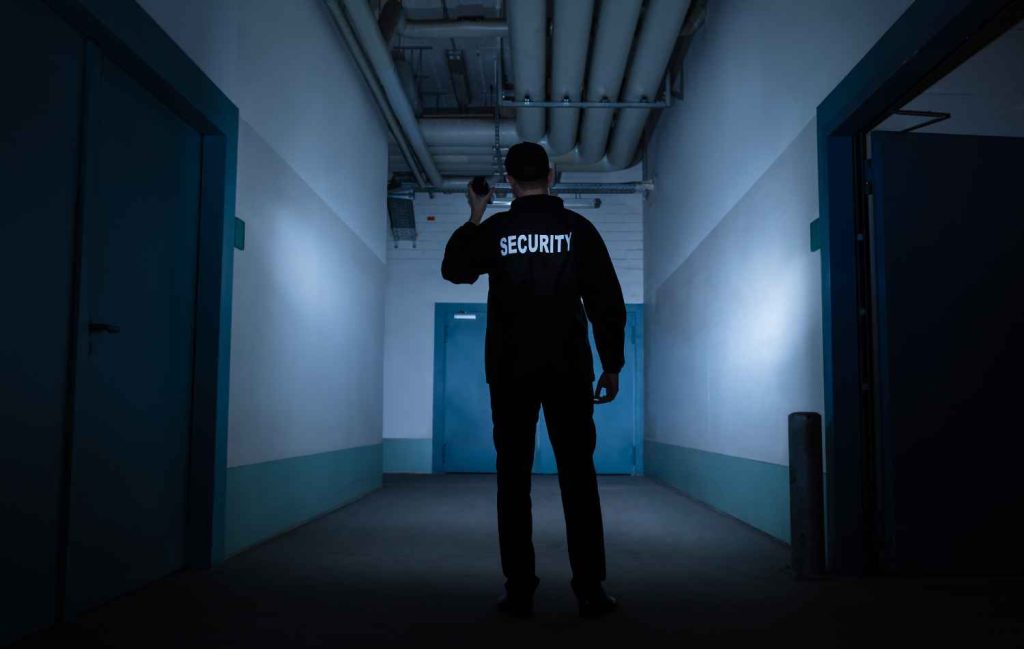
In today's world, the safety of high-profile individuals is paramount. Close protection, also known as personal security, involves a range of security solutions designed to shield clients from potential threats. These measures include physical protections like bulletproof vests and secure vehicles, as well as advanced technological tools such as counter-surveillance equipment and real-time threat monitoring. By tailoring these solutions to the specific needs and risks faced by each client, close protection ensures a robust defense against any dangers that may arise. Let's dive into the essential security solutions that play a crucial role in safeguarding lives.
What Are the Key Security Solutions in Close Protection?
Close protection is all about ensuring the safety of high-profile individuals against various threats. To achieve this, a diverse range of security solutions is employed. These solutions are tailored to meet the unique needs of each client, providing a comprehensive protective strategy.
What Physical Security Measures Are Used?
Physical security measures form the backbone of close protection. One of the most visible and essential measures is the use of bulletproof vests. These vests offer crucial protection against firearms, a common threat faced by high-profile individuals. Secure vehicles are another critical component. These vehicles are often armored and equipped with advanced communication systems, allowing close protection teams to maintain constant contact and react swiftly to any threats.
In addition to personal protective equipment and secure transportation, physical security also includes access control and surveillance systems. These systems help monitor and control who enters and exits a location, ensuring that only authorized individuals can get close to the principal. This multi-layered approach creates a robust first line of defense against physical threats.
How Do Technological Advancements Enhance Security?
Technological advancements have revolutionized the field of close protection, providing operatives with tools that significantly enhance their ability to protect their clients. One of the most important technological tools is counter-surveillance equipment. This equipment helps detect and neutralize potential threats before they can act, providing an additional layer of safety.
Real-time threat monitoring systems are another key technological advancement. These systems allow close protection teams to monitor the environment continuously and respond swiftly to any emerging threats. By providing real-time data and alerts, these systems enable operatives to stay one step ahead of potential dangers.
Another important technological tool is GPS tracking. This allows the protection team to keep track of the principal's location at all times, ensuring their safety even when they are on the move. Communication devices are also crucial, enabling seamless coordination among team members and with external support if needed.
The integration of physical and technological security solutions creates a comprehensive protective strategy. This approach ensures that all potential risks are mitigated effectively, providing high-profile individuals with the peace of mind they need to go about their daily activities without fear.
By combining traditional physical security measures with cutting-edge technology, close protection teams can offer unparalleled protection to their clients. This holistic approach addresses the unique challenges posed by today's threat landscape, ensuring that high-profile individuals are safeguarded against all potential dangers.
How Are Risk Assessments and Individual Threat Profiles Used in Selecting Security Solutions?
Choosing the right security solutions for close protection isn't a one-size-fits-all task. It starts with thorough risk assessments and understanding individual threat profiles. These steps are crucial for tailoring security measures that effectively address specific needs and vulnerabilities.
First, risk assessments are conducted to evaluate the potential threats a client might face. This involves looking at various factors like the client's public profile, recent activities, travel plans, and even their social media presence. By analyzing these elements, security teams can identify potential risks such as over-enthusiastic fans, stalkers, or more serious threats like organized crime and terrorism.
Next, individual threat profiles are developed. This process goes deeper into understanding the unique aspects of the client's life that might attract unwanted attention. For instance, a high-profile business executive might face threats related to corporate espionage, while a celebrity might need protection from invasive paparazzi or persistent admirers. By creating a detailed threat profile, close protection operatives can anticipate specific scenarios and prepare accordingly.
Once the risk assessment and threat profile are in place, the selection of security solutions begins. Physical measures like bulletproof vests and secure vehicles are standard, but the choice of additional tools depends on the identified risks. For example, if the client is traveling through high-risk areas, secure vehicles equipped with advanced communication systems become essential. For clients facing potential surveillance or espionage, counter-surveillance equipment and real-time threat monitoring systems are crucial.
Technological advancements play a significant role in this process. Real-time threat monitoring, for instance, allows security teams to stay ahead of potential dangers by providing constant updates and alerts. This proactive approach ensures that any emerging threats can be neutralized before they escalate.
Ultimately, the effectiveness of close protection hinges on these detailed assessments and tailored security measures. By understanding and anticipating the specific threats a client might face, security teams can implement security solutions that not only address immediate risks but also adapt to evolving situations, ensuring comprehensive protection at all times.
How Have Specific Security Solutions Thwarted Potential Attacks?
When it comes to close protection, security solutions play a critical role in ensuring the safety of high-profile individuals. Let's dive into some real-life examples and case studies that highlight how these measures have successfully prevented potential threats.
What Case Studies Highlight the Effectiveness of Security Solutions?
One notable example involves a close protection team assigned to a high-profile celebrity during a public event. The team used advanced surveillance technology to monitor the surroundings in real time. This system detected a suspicious individual lingering near the event venue. The counter-surveillance equipment picked up on unusual behavior, prompting the team to investigate further. The individual was found to be carrying a concealed weapon, and thanks to the swift action of the protection team, the threat was neutralized before it could escalate.
Another case study showcases the importance of secure vehicles in close protection. During a high-risk transport of a political figure through a potentially dangerous area, the use of an armored vehicle proved to be a lifesaver. The vehicle was equipped with bulletproof glass and reinforced panels, providing a robust shield against any attacks. On this particular occasion, the convoy was ambushed, but the secure vehicle's defenses held up, allowing the principal to escape unharmed. This incident underscores how physical security measures can make all the difference in a life-threatening situation.
How Do Security Solutions Ensure Client Safety?
Real-time threat monitoring is another game-changer in the world of close protection. In one instance, a business executive was traveling for a crucial meeting when the threat monitoring system alerted the team to a potential security breach at the destination. The close protection operatives were able to reroute the executive to a secure location, avoiding the threat entirely. This proactive approach, enabled by cutting-edge technology, ensured that the client remained safe without any direct confrontation.
Counter-surveillance equipment has also proven its worth in numerous scenarios. For example, during an international conference, a close protection team utilized this technology to sweep the venue for any hidden surveillance devices. They discovered a concealed recording device planted by an unknown party, aiming to capture sensitive conversations. By identifying and neutralizing this threat, the team protected the client's privacy and confidential information, showcasing the broader scope of security solutions beyond just physical protection.
In another instance, the integration of mobile security applications into close protection operations provided continuous monitoring and immediate alerts. A high-net-worth individual attending a public event was safeguarded by an app that tracked their location and alerted the team of any unusual activity nearby. This real-time information allowed the team to react promptly to a potential stalker, ensuring the client's safety without causing a scene.
These case studies and examples make it clear that security solutions are not just about reacting to threats but also about anticipating and preventing them. By leveraging both physical measures and technological advancements, close protection teams can create a comprehensive security strategy that adapts to evolving threats. This proactive stance is essential in today's unpredictable environment, ensuring that high-profile individuals can conduct their activities with peace of mind.
Summary
Close protection leverages a variety of security solutions to protect high-profile individuals from potential threats. By combining physical measures like bulletproof vests and secure vehicles with advanced technologies such as counter-surveillance equipment and real-time threat monitoring, close protection operatives ensure comprehensive safety. Through meticulous risk assessments and tailored threat profiles, these solutions are customized to meet each client's unique needs. Real-world case studies highlight their effectiveness, showcasing how these measures have successfully thwarted attacks and maintained client safety. Ultimately, the right blend of physical and technological security solutions is essential in navigating today's complex threat landscape.